
Spiritual Art Therapy: Transforming Healing for Women
Discovering true healing can feel elusive, especially for women searching for deeper meaning, connection, and empowerment. Spiritual art therapy stands apart because it merges creative exploration with holistic well-being, weaving together ancient rituals, personal transformation, and the sacred power of art. By embracing this therapeutic pathway, women tap into a dynamic source of self-expression and spiritual insight, unlocking new possibilities for emotional and energetic renewal.
Table of Contents
- Defining Spiritual Art Therapy and Its Foundations
- Methods and Styles: From Ritual to Abstract
- Core Benefits for Embodiment and Healing
- Integrating Divine Feminine and Shadow Work
- Risks, Ethics, and Finding Qualified Support
Key Takeaways
| Point | Details |
|---|---|
| Spiritual Art Therapy | This approach combines creative expression with psychological and spiritual healing, offering a holistic modality for personal exploration and emotional processing. |
| Methods and Styles | Spiritual art therapy includes various techniques, from ritualistic to abstract, allowing individuals to engage intuitively in their creative processes. |
| Core Benefits | Engaging in spiritual art therapy promotes emotional healing and self-discovery by facilitating the expression of suppressed emotions and integrating fragmented self-aspects. |
| Ethical Considerations | Practitioners must maintain high ethical standards and demonstrate relevant credentials to ensure safe and effective therapeutic experiences. |
Defining Spiritual Art Therapy and Its Foundations
Spiritual art therapy represents a profound healing modality that integrates creative expression with transformative psychological and spiritual practices. At its core, this approach recognizes art as more than aesthetic production - it is a powerful medium for personal exploration, emotional processing, and spiritual awakening. Modern therapeutic approaches view art as a sacred pathway to healing, tracing its roots back to ancient symbolic rituals used in religious and ceremonial contexts.
Unlike traditional psychotherapy, spiritual art therapy embraces a holistic framework that addresses multiple dimensions of human experience simultaneously. Spiritual art therapy operates on the understanding that creative processes can unlock deep psychological insights, facilitate emotional healing, and connect individuals with their inner spiritual landscape. By engaging with artistic mediums, women can explore unspoken emotions, release psychological blockages, and cultivate a more integrated sense of self.
The foundational principles of spiritual art therapy draw from diverse traditions, including depth psychology, transpersonal therapeutic approaches, and indigenous healing practices. Holistic interventions aim to support individuals in achieving personal integrity, balance, and harmony through creative expression. This approach recognizes that art-making is inherently a spiritual practice - a form of meditation, self-reflection, and energetic transformation that transcends traditional therapeutic boundaries.
Pro tip: Begin your spiritual art therapy journey by creating a sacred space for artistic exploration, free from judgment and expectations, where your creative intuition can flow freely.
Methods and Styles: From Ritual to Abstract
Spiritual art therapy encompasses a rich spectrum of methods and styles, ranging from deeply ritualistic practices to profoundly abstract creative expressions. Arts-based spiritual healthcare integrates diverse artistic mediators including plastic arts, musical expressions, dramatic performances, body movement, literary creation, and playful explorations. These approaches provide women with flexible pathways to explore their inner landscapes, transcend psychological limitations, and connect with deeper spiritual dimensions.
The methodological approaches in spiritual art therapy can be categorized across a dynamic continuum. On one end, ritualistic practices draw from ancient traditions, utilizing structured symbolic gestures, sacred movements, and intentional creative processes that honor spiritual lineages. These methods often involve carefully designed sequences that invite participants to engage with art as a form of sacred ceremony. In contrast, abstract styles emphasize spontaneous, intuitive expression - encouraging women to release predetermined expectations and allow their unconscious wisdom to emerge through unstructured artistic exploration.
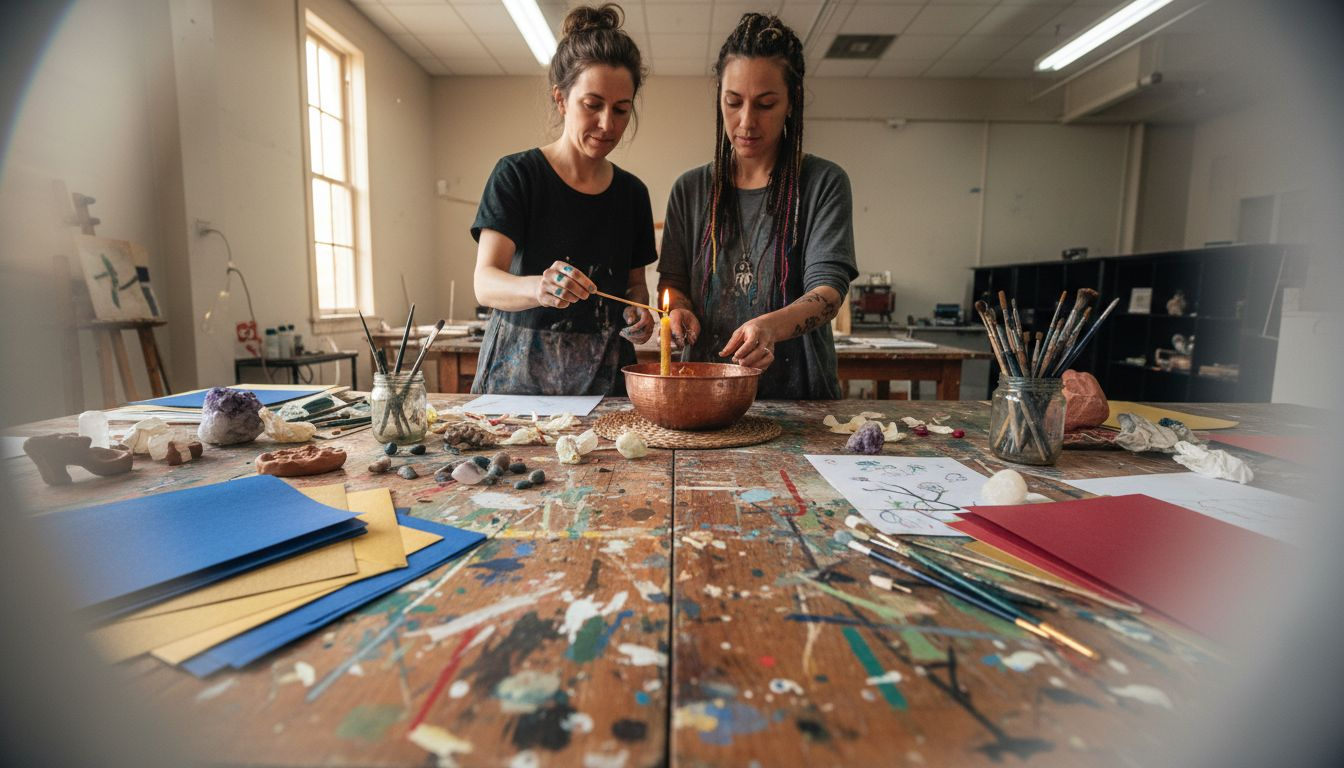
Spiritual art therapy techniques are intentionally designed to be universally adaptable, supporting diverse spiritual expressions across different cultural and religious backgrounds. Practitioners might employ contemplative practices, mindfulness approaches, and techniques like spiritual conversation and witnessing. These methods create a supportive container where creative expression becomes a portal for self-discovery, emotional healing, and spiritual awakening. The goal is not aesthetic perfection, but rather authentic revelation and transformative personal insight.
Pro tip: Experiment with multiple artistic styles during your spiritual art therapy journey, allowing yourself to move fluidly between structured ritual and spontaneous abstract expression.
Here is a summary table illustrating core differences between ritualistic and abstract methods in spiritual art therapy:
| Aspect | Ritualistic Methods | Abstract Methods |
|---|---|---|
| Structure | Highly structured, symbolic gestures | Unstructured, intuitive process |
| Cultural Roots | Ancient traditions, ceremonies | Contemporary, personal exploration |
| Focus | Honoring spiritual lineages | Accessing unconscious creativity |
| Participant Experience | Guided artistic sequences | Spontaneous, self-directed creation |
Core Benefits for Embodiment and Healing
Spiritual art therapy offers profound transformative benefits that extend far beyond traditional therapeutic approaches, providing women with a powerful pathway to holistic healing and self-discovery. Spiritual art therapy facilitates healing by harnessing creative expression as a dynamic tool for psychological repair and spiritual growth. This approach recognizes that true healing occurs when women can authentically express their internal landscapes, releasing emotional blockages and reconnecting with their innate wisdom and power.
The core benefits of this therapeutic modality are deeply multidimensional, addressing emotional, psychological, and spiritual dimensions simultaneously. By engaging in creative practices, women can explore suppressed emotions, integrate fragmented aspects of themselves, and cultivate a more compassionate relationship with their inner experiences. Embodiment becomes a lived experience through art, where physical sensations, emotional currents, and spiritual insights converge, creating a holistic healing environment that transcends traditional talk therapy.
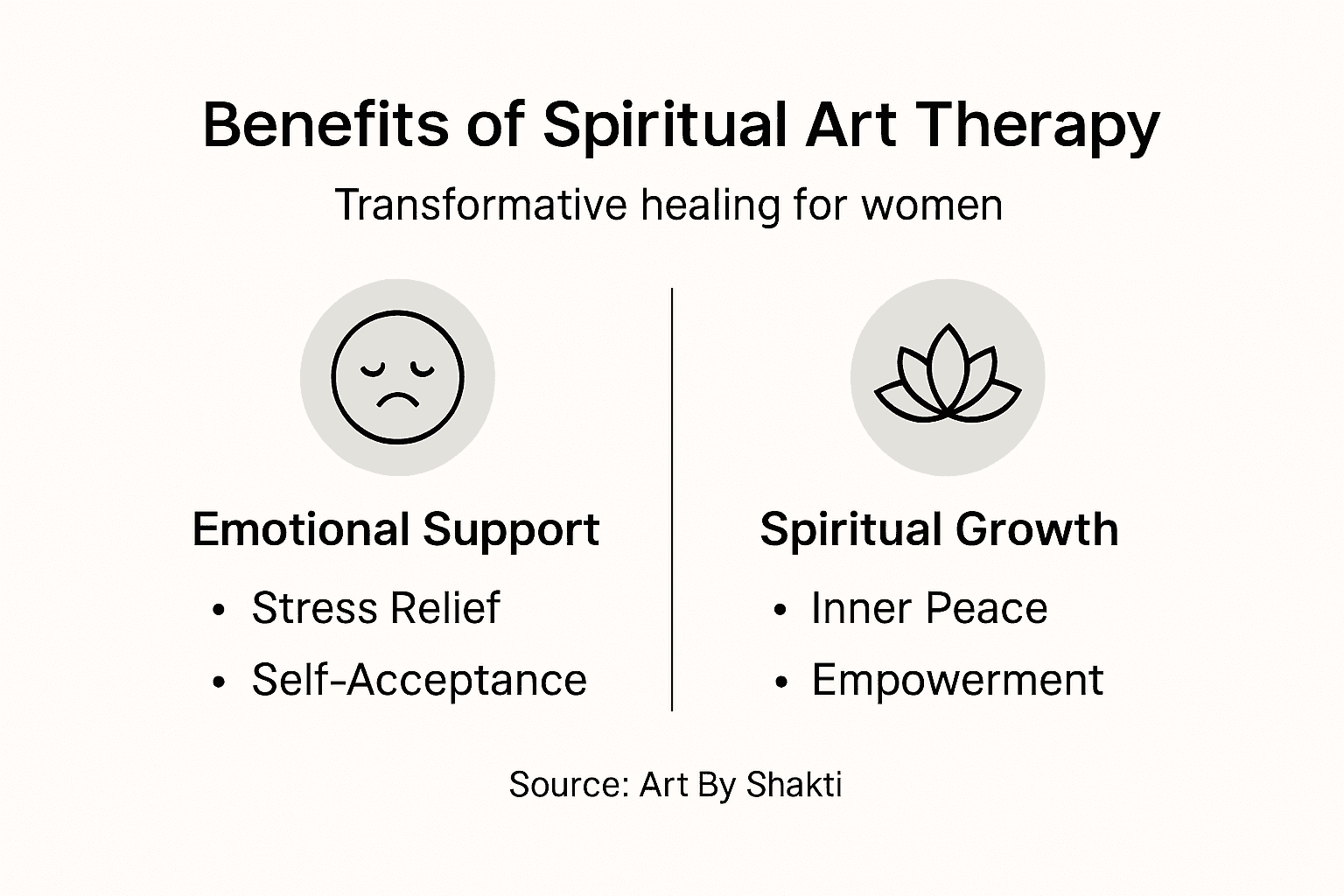
Embodied healing through spiritual art therapy encompasses multiple transformative dimensions. Holistic healing approaches integrate physical, emotional, mental, and spiritual experiences, enabling women to articulate complex feelings that might otherwise remain unconscious. The creative process becomes a sacred dialogue with the self, supporting self-realization, balance, and a profound sense of meaning. Women learn to trust their intuitive wisdom, break through limiting psychological patterns, and reclaim their inherent capacity for healing and self-transformation.
Pro tip: Create a consistent art practice that allows you to explore different emotional states without judgment, using your creative process as a compassionate mirror for self-discovery.
Integrating Divine Feminine and Shadow Work
Divine feminine energy represents a profound healing pathway that invites women to embrace their full complexity, including both light and shadow aspects of their inner landscape. Symbolic art practices offer a powerful medium for exploring hidden or disowned psychological dimensions, creating a sacred container for transformative self-discovery. By engaging with creative expression, women can gently excavate suppressed emotions, ancestral wounds, and internalized limiting beliefs, transforming these shadow elements into sources of personal power and spiritual awakening.
The integration of divine feminine principles with shadow work creates a revolutionary approach to healing that transcends traditional therapeutic models. Unlike linear psychological approaches, this method recognizes that healing is cyclical, nonlinear, and deeply intuitive. Women learn to witness their internal experiences without judgment, understanding that their shadows are not aspects to be eliminated, but wounded parts of themselves seeking compassion, integration, and healing. The creative process becomes a transformative ritual where suppressed emotions can be metabolized, understood, and ultimately transformed.
Shadow work through art provides a unique pathway for women to reconnect with their inherent wisdom and reclaim fragmented aspects of their psyche. Contemplative art practices ground this healing journey in mindfulness and universal spiritual themes, enabling women to access intuition, creativity, and nurturing capacities while simultaneously addressing darker, more challenging emotional territories. By creating art that honors both light and shadow, women develop a more compassionate relationship with themselves, recognizing that true empowerment emerges from radical self-acceptance and integration.
Pro tip: Create a dedicated art journal for shadow exploration, allowing yourself to express difficult emotions through color, shape, and metaphorical imagery without censorship or self-judgment.
Risks, Ethics, and Finding Qualified Support
Spiritual art therapy, while profoundly healing, requires careful navigation of complex emotional and ethical terrain. Art therapy involves significant ethical considerations that demand practitioners maintain rigorous professional standards to protect participants’ psychological vulnerability. Women exploring this healing modality must understand potential risks, including the possibility of emotional retraumatization if therapeutic approaches are not implemented with exceptional sensitivity and skill.
Qualified spiritual art therapists must demonstrate comprehensive training that integrates multiple disciplines, including depth psychology, art therapy techniques, and spiritual understanding. Ethical practice demands clear professional boundaries, respect for individual spiritual experiences, and a nuanced approach that avoids imposing personal belief systems. Critical considerations include maintaining client confidentiality, creating safe emotional containers, and supporting participants through potentially intense psychological and spiritual transformations without creating additional psychological harm.
Spiritual art therapy practitioners require specialized credentials that go beyond traditional therapeutic training. Ethical practice demands therapist competence in both spiritual frameworks and psychological methodologies, ensuring practitioners can navigate complex inner landscapes with professional integrity. Women seeking support should prioritize professionals with demonstrated experience in integrating creative expression, psychological healing, and spiritual exploration, looking for credentials that reflect advanced training in transpersonal psychology, art therapy, and holistic healing approaches.
Pro tip: Request comprehensive professional credentials and experience details from potential spiritual art therapists, including specific training in trauma-informed care and integrative healing approaches.
Below is a reference table outlining essential qualifications for finding a trusted spiritual art therapist:
| Credential Area | Why It Matters | Example Qualification |
|---|---|---|
| Art Therapy | Ensures creative expertise | Master’s degree in art therapy |
| Depth Psychology | Supports emotional insight | Certification in transpersonal |
| Spiritual Training | Guides spiritual healing | Spiritual counseling license |
| Trauma-Informed Care | Protects client well-being | Training in trauma stewardship |
Embrace Healing and Empowerment Through Spiritual Art
If you are seeking a transformative journey that blends spiritual art therapy, shadow integration, and divine feminine awakening, you are not alone. Many women face the challenge of reconnecting with their body, life force, and inner truth while navigating emotional blockages and fragmented self-identity. This article highlights the power of creative expression as a sacred form of healing, inviting deep emotional release and personal growth.
At Art By Shakt, I offer original paintings and ritual-based art that serve as living portals for grounding, healing, and reclaiming your personal power. My work integrates the very concepts explored in spiritual art therapy such as sacred embodiment, shadow work, and the divine feminine. These creations are designed to support your journey towards wholeness, self-acceptance, and spiritual awakening in a compassionate and authentic way.

Discover how embracing your sensuality and spiritual energy can challenge limiting societal narratives around the female body. Experience art that nurtures your intimate connection with yourself and the divine. Begin your path toward transformation today by exploring original paintings and ritual-based art that resonate with your inner journey. Visit Art By Shakt and step into a vibrant space of healing and self-discovery now.
Frequently Asked Questions
What is spiritual art therapy?
Spiritual art therapy is a healing modality that combines creative expression with psychological and spiritual practices, allowing individuals to explore their emotions and connect with their inner spiritual landscape through art-making.
How can spiritual art therapy benefit women?
This therapeutic approach empowers women to engage in emotional healing, self-discovery, and spiritual awakening by using creative processes to address suppressed emotions and foster a deeper understanding of themselves.
What methods are used in spiritual art therapy?
Spiritual art therapy includes a range of methods, from ritualistic practices rooted in ancient traditions to abstract expression, allowing participants to explore their inner landscapes in flexible and intuitive ways.
How do I find a qualified spiritual art therapist?
When searching for a spiritual art therapist, look for professionals with advanced training in art therapy, depth psychology, and spiritual healing, ensuring they have the necessary credentials and experience in trauma-informed care.