
Why Sacred Art Matters for Embodied Healing
True healing often begins where words fall short and images speak directly to the soul. For many spiritual seekers, the search for deeper connection and wholeness calls them to explore beyond traditional practices, especially when old stories of shame have silenced their innate power. Engaging with sacred art as a spiritual conduit offers a living pathway to the divine feminine, inviting embodied transformation and the reclamation of beauty once hidden. This exploration opens doors to personal renewal, ancestral healing, and collective empowerment.
Table of Contents
- Defining Sacred Art And Its Essence
- Forms Of Sacred Art In Modern Practice
- Sacred Art As A Portal For Healing
- Integrating Shadow And Divine Feminine
- Challenging Patriarchy Through Artistic Expression
- Embodied Impact And Transformative Outcomes
Key Takeaways
| Point | Details |
|---|---|
| Sacred Art as Transformation | Sacred art functions as a transformative medium that bridges human experience with divine consciousness, promoting personal healing and spiritual awakening. |
| Modern Expressions | Contemporary sacred art has evolved to include diverse forms and practices, reflecting individual and collective spiritual experiences beyond traditional religious iconography. |
| Healing Portals | Engaging with sacred art provides a healing space that facilitates emotional exploration and spiritual reconnection, accessing deeper layers of the self. |
| Feminine Empowerment | Integrating the divine feminine and shadow work through sacred art empowers individuals to reclaim their narrative and challenge historical oppressive structures. |
Defining Sacred Art and Its Essence
Sacred art transcends mere visual representation, functioning as a profound spiritual conduit that bridges human experience with divine consciousness. At its core, sacred art is not simply an aesthetic object but a transformative medium designed to activate inner healing and reconnection. Contemporary approaches to sacred art reveal a complex interplay between beauty, spiritual recognition, and embodied transformation.
Unlike conventional art forms, sacred art carries an intentional energetic frequency meant to evoke spiritual awakening and personal metamorphosis. It emerges from a deep understanding that visual imagery can transcend intellectual perception, speaking directly to the soul’s intrinsic wisdom. Cross-cultural sacred art traditions demonstrate how symbolic representations communicate spiritual narratives that bypass rational thought, connecting viewers with archetypal and collective consciousness.
The essence of sacred art lies in its ability to honor the divine within human experience. It challenges historical narratives of separation by presenting the body, sexuality, and spiritual energy as inherently sacred and interconnected. Sacred art becomes a powerful tool for reclaiming personal agency, dissolving shame, and revealing the profound beauty of embodied spiritual existence. These artistic expressions serve as living portals that invite viewers to remember their intrinsic wholeness and celebrate the transformative power of divine feminine energy.
Pro Tip: When engaging with sacred art, approach the piece with reverence and open sensory awareness, allowing yourself to receive its energetic transmission beyond intellectual analysis.
Forms of Sacred Art in Modern Practice
Modern sacred art has evolved far beyond traditional religious iconography, encompassing diverse artistic expressions that honor spiritual transformation and embodied healing. Contemporary religious art forms demonstrate a dynamic shift from institutional representations to more personal, culturally nuanced visual narratives that reflect individual and collective spiritual experiences.
These contemporary sacred art forms include painting, sculpture, performance art, digital media, and mixed-media installations that intentionally activate healing frequencies. Some prominent examples include intuitive painting practices that channel inner wisdom, ritualistic body art that reclaims cultural narratives, and multimedia installations exploring consciousness and energetic transformation. Afro-Brazilian sacred art traditions provide powerful contemporary models of how artistic expression can preserve and reinterpret spiritual heritage.
Key characteristics of modern sacred art include intentional energy transmission, symbolic depth, and an emphasis on personal empowerment. These artistic practices challenge historical power structures by presenting marginalized spiritual experiences, particularly those of indigenous, feminine, and non-Western traditions. They serve as potent vehicles for reclaiming agency, dissolving generational trauma, and reimagining spiritual connection beyond patriarchal religious frameworks.
Pro Tip: When exploring sacred art, approach each piece as an energetic portal, allowing yourself to receive its spiritual transmission through intuitive sensing rather than purely intellectual analysis.
Here’s a comparison of traditional versus modern sacred art forms:
| Aspect | Traditional Sacred Art | Modern Sacred Art |
|---|---|---|
| Main Purpose | Religious devotion | Personal transformation |
| Common Mediums | Iconography, frescoes | Painting, digital media |
| Cultural Scope | Mainly institutional | Highly diverse and global |
| Artistic Focus | Prescribed symbolism | Individual expression |
Sacred Art as a Portal for Healing
Sacred art functions as a profound energetic gateway, offering more than visual representation by creating transformative spaces of healing and personal restoration. Arts-based spiritual healthcare reveals how artistic creation facilitates deep emotional exploration and spiritual reconnection, allowing individuals to access inner landscapes of healing beyond traditional therapeutic approaches.
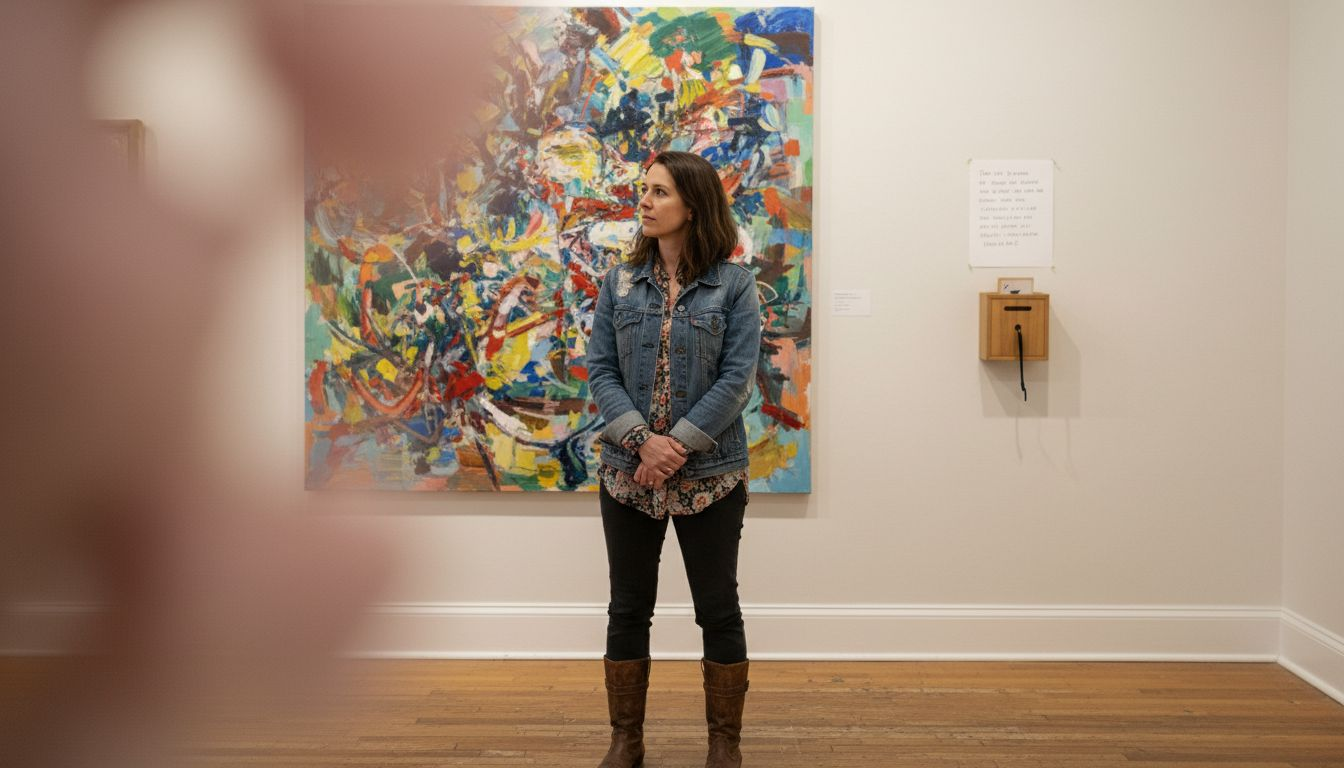
Through symbolic language and energetic resonance, sacred art operates as a multidimensional healing instrument that bypasses intellectual resistance and directly communicates with the body’s wisdom. Ritualistic healing traditions demonstrate how sacred objects and artistic representations mediate spiritual interactions, creating portals for emotional release, trauma integration, and energetic recalibration.
The healing potential of sacred art emerges through its ability to speak directly to the unconscious, bypassing rational defenses and inviting profound transformation. By representing archetypal experiences and spiritual narratives, these artistic expressions create safe containers for exploring complex emotional terrains, supporting individuals in reclaiming fragmented aspects of their spiritual and emotional selves. Sacred art becomes a mirror reflecting inner landscapes, helping viewers recognize and integrate hidden dimensions of their personal healing journey.
Pro Tip: Approach sacred art with an open, receptive state of awareness, allowing yourself to feel its energetic transmission without mental interpretation or judgment.
Integrating Shadow and Divine Feminine
Integrating shadow and divine feminine energy represents a profound journey of spiritual reclamation, challenging historical narratives that have marginalized women’s inner complexity and spiritual power. Shadow work prompts offer transformative pathways for exploring the hidden, often rejected aspects of feminine energy, creating space for deep healing and authentic self-expression.
The process of shadow integration within divine feminine practice involves courageously confronting unconscious patterns, generational traumas, and internalized oppressive beliefs. This radical approach moves beyond surface-level healing, inviting individuals to reclaim fragmented aspects of their spiritual and emotional landscape. By embracing both light and dark feminine archetypes, practitioners can restore internal balance, transforming historical wounds into sources of profound personal empowerment and spiritual wisdom.
Within this integration practice, sacred art emerges as a powerful alchemical tool for rendering invisible emotional landscapes visible. Artistic expression becomes a transformative medium that allows individuals to externalize complex inner experiences, creating symbolic representations of healing that transcend verbal language. By giving form to shadow elements through creative processes, individuals can metabolize pain, release generational patterns, and reconnect with their inherent sacred feminine power.
Pro Tip: Create a ritual space for shadow work that feels safe and nurturing, using art, journaling, or movement as gentle vehicles for exploring your inner landscape.
Challenging Patriarchy Through Artistic Expression
Artistic expression emerges as a powerful revolutionary tool for dismantling patriarchal structures, offering women a profound medium to reclaim narrative agency and challenge systemic oppression. Feminist visual narratives demonstrate how creative work can critique and resist dominant power structures, transforming art into a radical act of personal and collective liberation.
Through diverse artistic mediums, women artists deconstruct internalized narratives of subordination, creating visual languages that challenge historical misrepresentations and center female experience. Feminist art strategies employ mixed media, performance, and digital platforms to expose gender biases, amplify marginalized voices, and reimagine social possibilities beyond patriarchal constraints. These creative practices transform art from a passive medium into an active site of resistance and cultural reimagination.
Sacred art becomes particularly potent in this context, offering a spiritual dimension to feminist resistance. By reclaiming representations of the female body, sexuality, and spiritual power, artists create visual manifestos that challenge centuries of objectification and erasure. The act of creation itself becomes a subversive practice, where women artists assert self-determination, heal historical wounds, and construct alternative narratives of embodied feminine wisdom and strength.
Pro Tip: Approach your artistic expression as a form of personal and political resistance, allowing your creative voice to challenge systemic limitations and celebrate your inherent power.
Embodied Impact and Transformative Outcomes
Embodied healing through sacred art transcends intellectual understanding, creating profound neurological and energetic transformations that rewire individual and collective consciousness. Bodily awareness in immersive art reveals how sensory engagement triggers deep emotional processing, allowing individuals to metabolize complex experiences through nonverbal, intuitive pathways of healing.
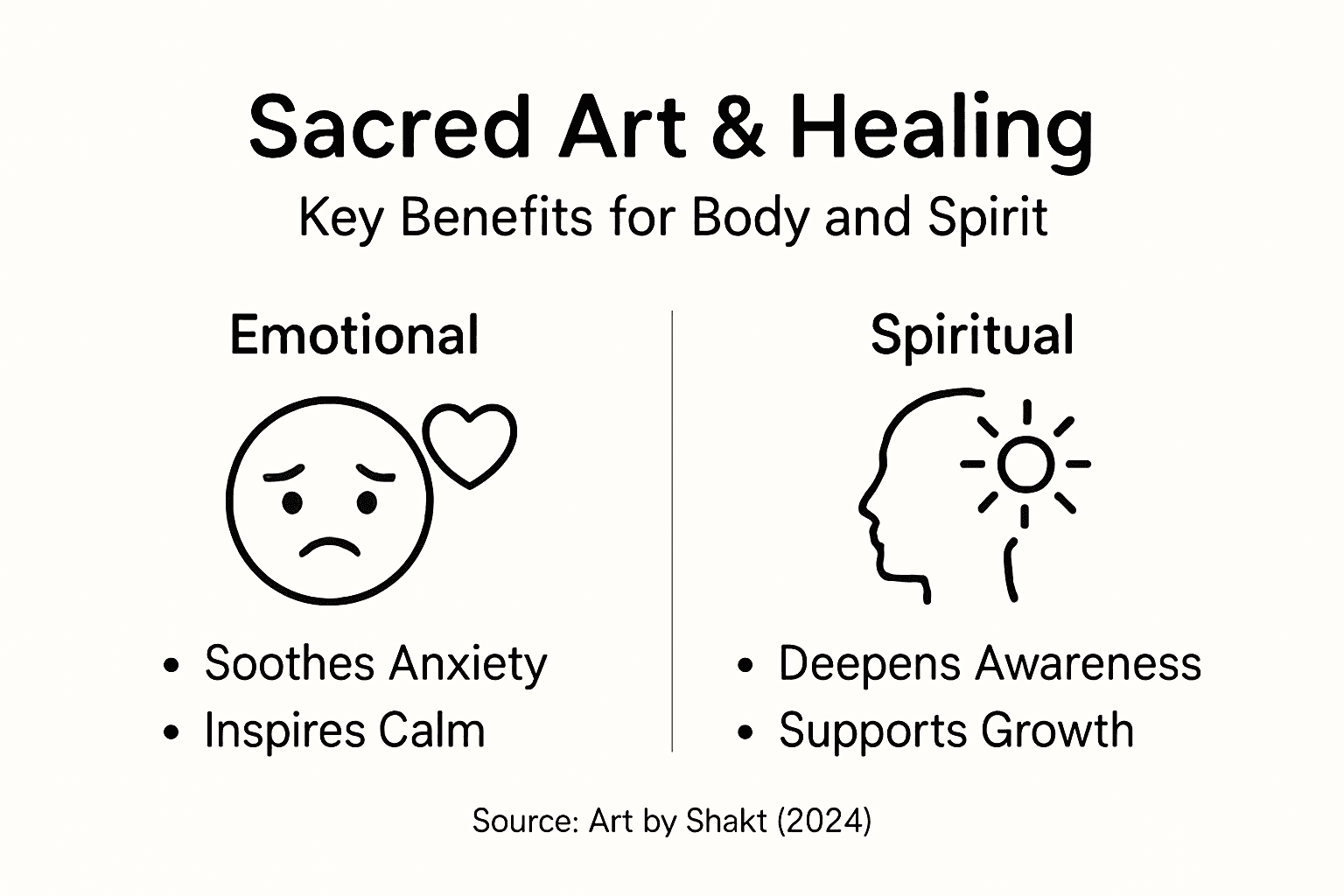
The transformative outcomes emerge through multiple interconnected dimensions. Physiological shifts occur as sacred art activates proprioceptive and interoceptive systems, enabling practitioners to reconnect with somatic wisdom often suppressed by traumatic experiences. Sacred architectural design demonstrates how intentionally created spaces can facilitate contemplative states, supporting individuals in experiencing sanctuary and profound personal metamorphosis beyond traditional therapeutic approaches.
These embodied encounters with sacred art generate multilayered healing responses that integrate emotional, spiritual, and physiological dimensions. By creating visual languages that speak directly to the unconscious, sacred art bypasses cognitive defenses, allowing suppressed energies to surface, be witnessed, and ultimately transformed. The artwork becomes a living portal that invites practitioners to release generational patterns, reclaim fragmented aspects of self, and restore internal harmony through creative expression.
Pro Tip: Approach sacred art with soft, receptive awareness, allowing your body to respond intuitively without mental interpretation or judgment.
The following table summarizes the transformative outcomes of engaging with sacred art:
| Impact Area | How Sacred Art Contributes |
|---|---|
| Emotional Healing | Fosters trauma release and integration |
| Spiritual Growth | Strengthens connection to inner wisdom |
| Embodied Awareness | Enhances body-mind integration |
| Social Change | Empowers marginalized perspectives |
Reconnect Through Sacred Art That Heals and Empowers
The article highlights how sacred art serves as a powerful portal for embodied healing, shadow integration, and reclaiming the divine feminine. If you find yourself longing to dissolve generational trauma, awaken your inner wisdom, and challenge patriarchal narratives shaping your body and spirit, this approach offers transformational support. Key themes like sacred embodiment, energetic transmission, and women’s self-determination resonate deeply with those seeking authentic connection beyond surface-level healing.

Experience art as more than decoration — discover original paintings and ritual-based creations at Art By Shakt that are intentionally designed as living portals for grounding, healing, and spiritual awakening. Each piece is a gateway into your body, life force, and inner truth. Dive into practices of shadow integration and embrace the sacred feminine to transform your relationship with yourself and the world. Don’t wait to reclaim your power through creative expression that speaks directly to your soul. Explore more and start your embodied healing journey today.
Frequently Asked Questions
What is sacred art and how does it contribute to healing?
Sacred art serves as a transformative medium that connects human experience with divine consciousness, facilitating inner healing and personal transformation through its energetic frequency and symbolic representations.
How can modern sacred art differ from traditional forms?
Modern sacred art encompasses a diverse range of artistic expressions, including digital media and performance art, which focus on individual empowerment and personal transformation, as opposed to the primarily religious devotion found in traditional sacred art forms.
What role does sacred art play in the integration of shadow and divine feminine energy?
Sacred art allows individuals to explore and externalize hidden aspects of their inner selves, facilitating the integration of both light and dark feminine archetypes, and ultimately promoting healing and personal empowerment.
How does engagement with sacred art impact emotional and spiritual growth?
Engaging with sacred art can foster trauma release, strengthen connections to inner wisdom, enhance embodied awareness, and empower marginalized perspectives, leading to profound transformations in emotional and spiritual well-being.